
Late September and October are the months when your garden starts whispering that winter is coming. The evenings draw in earlier, the morning dew lingers longer, and you start eyeing that fleece in the shed. But before you retreat indoors for the season, there's work to do. Preparing your garden for winter properly now means you won't be fixing problems in spring, and your plants, soil, and hard landscaping will all thank you for it.
This isn't about wrapping everything in bubble wrap and hoping for the best. It's about understanding what your garden needs to survive UK winters—which can be wet, cold, occasionally brutal, and often just persistently damp. The difference between a garden that bounces back in March and one that limps into spring is usually the work done in autumn.
Whether you're in Kent dealing with heavy clay, Surrey managing chalk, or Essex trying to protect tender perennials, this guide covers the essential tasks to prepare your garden for winter in the UK.
Why Winter Preparation Matters
UK winters are not particularly extreme by global standards, but they're surprisingly hard on gardens. The problem is not usually a single hard freeze. It's the freeze-thaw cycles, the relentless wet, and the fact that many plants imported from warmer climates struggle with our combination of cold and damp.
A well-prepared garden protects plant roots from frost damage and waterlogging, prevents soil erosion from heavy autumn and winter rain, reduces pest and disease pressure by removing overwintering habitats, sets up healthy spring growth by enriching soil and mulching properly, and saves money by protecting furniture, pots, and structures from weather damage.
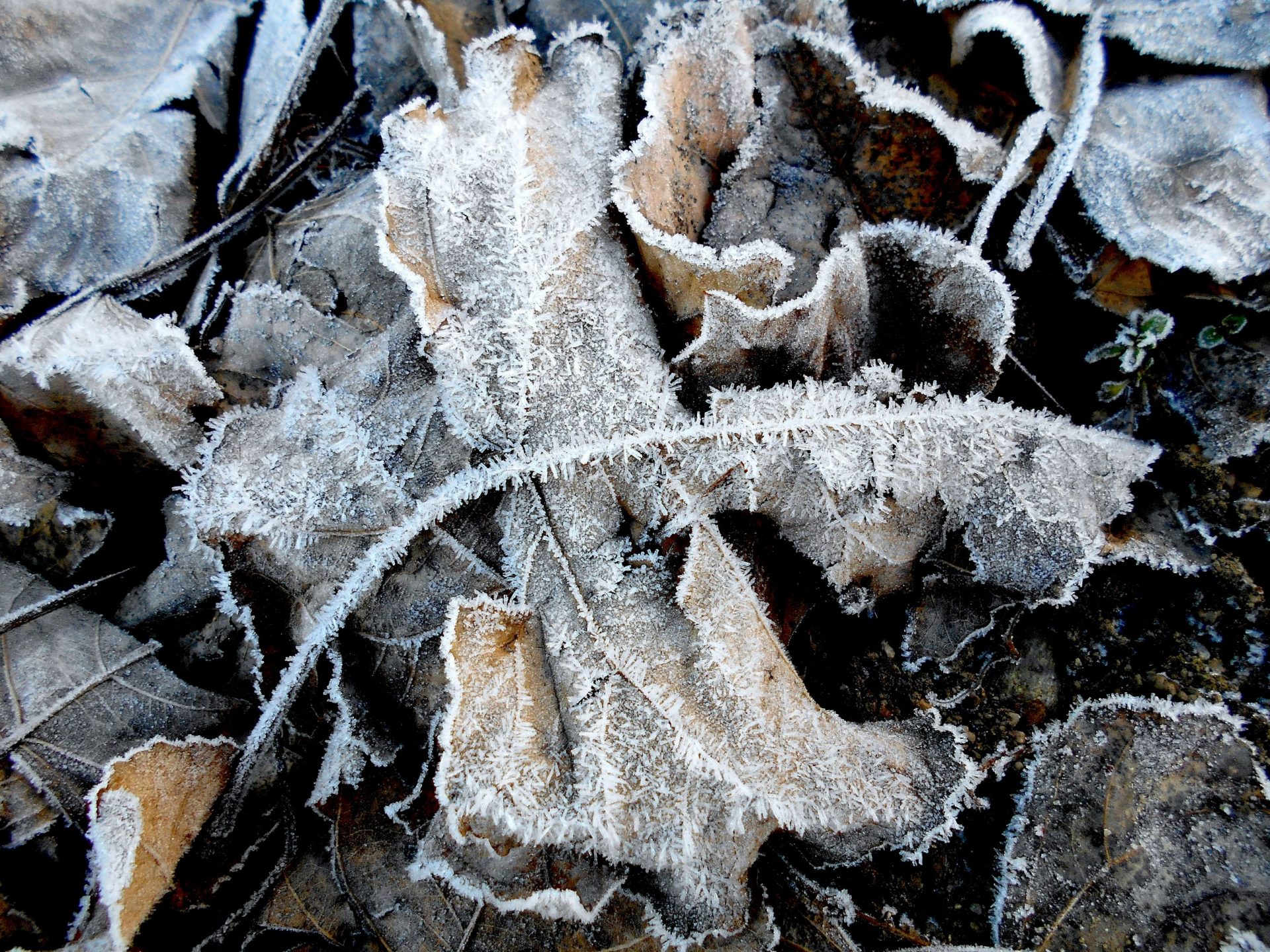
The preparation timeline runs from late September through to early December, with most critical tasks best done in October and early November before the ground becomes too cold or waterlogged to work comfortably.
1. Clear Up Diseased and Dead Plant Material
Start with a ruthless tidy. Not everything needs removing, but diseased plant material absolutely does.
What to Remove
Diseased foliage and stems: Black spot on roses, powdery mildew on perennials, blight-affected tomato plants, fungal-damaged leaves. These can all overwinter on debris and reinfect your garden in spring. Remove them and bin them—do not compost diseased material.
Spent annuals: By late October, most annual flowers and bedding plants are finished. Pull them up, roots and all, and add healthy plant material to your compost heap. This clears space and prevents decaying annuals from becoming a sludgy mess.
Rotten fruit and vegetables: Fallen apples, pears, or tomatoes left on the ground attract pests and spread disease. Clear them away regularly.
Invasive weeds: Perennial weeds like bindweed, ground elder, and couch grass should be dug out root and all before they settle in for winter. Do not compost these—bin them or burn them.
What to Leave
Perennial stems and seed heads: Many gardeners now leave perennial stems standing through winter rather than cutting everything back to ground level. This provides habitat for overwintering insects (including beneficial predators like ladybirds), and seed heads offer food for birds. Echinaceas, rudbeckias, sedums, and grasses all look striking with a dusting of frost.
If you prefer a tidier look, cut back in late February or early March instead of autumn. You'll still get the wildlife benefit through the coldest months.
2. Protect Tender Plants from Frost
UK winters are unpredictable. A mild November can give way to a sudden hard frost in early December, and tender plants can be caught out. Anything that's borderline hardy or recently planted needs attention.
Which Plants Need Protection
- Tender perennials: Salvias, penstemons, agapanthus, tree ferns, bananas, cannas, dahlias
- Mediterranean plants: Citrus, olives, bay trees, lavender (usually hardy but young plants benefit from protection)
- Newly planted specimens: Trees, shrubs, and perennials planted this year have not yet established deep root systems and are more vulnerable to frost heave
Protection Methods
Horticultural fleece: The single most useful winter protection material. It's breathable (unlike plastic), allows light through, and provides 2-5°C of frost protection. Drape it over plants when frost is forecast and remove it during the day to allow air circulation.
Mulch the root zone: A 10-15cm layer of organic mulch (bark chips, leaf mould, well-rotted manure, or compost) around the base of tender plants insulates roots from freezing. This is particularly effective for tree ferns, bananas, and established agapanthus.

Move containers under cover: Potted tender plants can be moved into a greenhouse, conservatory, porch, or even a garage with a window. If you can't bring them indoors, move them against a sheltered house wall (south or west-facing) where they'll benefit from radiated heat and protection from wind.
Wrap pots in bubble wrap: For large containers that can't be moved, wrap the pot (not the plant) in bubble wrap or hessian to prevent the compost from freezing solid. Raise pots on pot feet or bricks to allow drainage—waterlogged roots in frozen compost is a death sentence for most plants.
3. Mulch Beds and Borders
Mulching is one of the most valuable jobs you can do in autumn. It protects roots, suppresses weeds, improves soil structure, and slowly releases nutrients as it breaks down.
What to Use
- Leaf mould: Free if you make your own. Excellent soil conditioner, particularly good on clay.
- Well-rotted manure: Adds nutrients and improves soil structure. Avoid fresh manure (too strong).
- Bark chips: Long-lasting, weed-suppressing, and attractive. Slower to break down than leaf mould or compost.
- Garden compost: Your own is best—rich, free, and improves soil biology.
- Mushroom compost: Good on acid soils (it's alkaline), but avoid using on lime-hating plants like rhododendrons.
How to Apply
Apply a 5-10cm layer across beds and borders after the soil has warmed slightly in early autumn (late September to October). Avoid piling mulch directly against plant stems and tree trunks—leave a small gap to prevent rot.
Mulch is especially important on clay soils (prevents surface cracking and erosion from heavy rain), sandy soils (improves water retention), and newly planted areas (protects establishing root systems).
If you're planning a garden renovation or considering how to improve your soil for next season, adding organic matter now is the single best thing you can do.
4. Protect Your Lawn
Lawns take a battering in UK winters. Heavy foot traffic on frozen or waterlogged grass causes long-lasting damage, and neglected lawns can develop moss, bare patches, and poor drainage.
Key Lawn Tasks
Final mow: Give the lawn one last cut in late October or early November, cutting to about 3-4cm. Don't scalp it—leaving some length helps the grass cope with frost and reduces the risk of moss.
Clear fallen leaves: Leaves left sitting on grass for weeks block light and create damp conditions that encourage fungal diseases and bare patches. Rake or blow them off regularly, and add them to a leaf mould pile.
Aerate waterlogged areas: If your lawn has standing water or feels spongy underfoot, spike it with a garden fork pushed deep into the turf at 10-15cm intervals. Brush sharp sand into the holes to improve drainage. This is best done in October while the soil is still workable.

Avoid walking on frozen grass: Frozen grass blades snap when stepped on, leaving brown footprints that take weeks to recover. If you must cross the lawn in frosty weather, use temporary boards as stepping stones.
For detailed lawn care advice tailored to London and the South East, see our guide to garden design and build, which covers how to integrate healthy lawns into your overall garden design.
5. Prune at the Right Time
Pruning in winter is essential for many plants, but timing matters. Prune the wrong plant at the wrong time and you'll remove next year's flowers or leave the plant vulnerable to disease.
Prune in Winter (December to February)
Apple and pear trees: Winter is the ideal time to prune established apples and pears. Remove dead, damaged, or diseased wood first (the three Ds), then thin crossing branches and aim for an open, goblet-shaped canopy. Never remove more than 25% of the canopy in a single year.
Wisteria: Give wisteria its second prune in January or February, cutting summer-pruned shoots back to 2-3 buds from the main framework. This produces the flowering spurs that will bloom in May.
Roses: Prune roses in late February or early March, just as the buds start to swell. Cut back to an outward-facing bud to encourage an open shape.
Do NOT Prune in Winter
Spring-flowering shrubs: Forsythia, Chaenomeles (flowering quince), ribes (flowering currant), and philadelphus all flower on last year's growth. Pruning them now removes every flower bud. Wait until after flowering in late spring.
Stone fruit (plums, cherries, damsons): These are susceptible to silver leaf disease, which enters through pruning cuts made in winter. Prune stone fruit only in summer (April to August) when the sap is rising and wounds heal quickly.
6. Plant Spring Bulbs
October and November are the months for planting spring-flowering bulbs. Daffodils, tulips, crocuses, alliums, and bluebells all need a period of cold dormancy before they'll flower, and autumn planting gives them time to develop strong root systems.
How to Plant Bulbs
Depth: As a rule, plant bulbs at a depth roughly three times their height. Daffodils and tulips go 15-20cm deep; crocuses and smaller bulbs 5-10cm.
Drainage: Bulbs rot in waterlogged soil. If your soil is heavy clay, add grit or sharp sand to the planting hole, or plant bulbs in raised beds.
Planting pattern: For a natural look, scatter bulbs gently and plant them where they land. For formal displays, plant in rows or geometric patterns.
Spring bulbs are one of the easiest ways to add early-season interest to a contemporary garden design or a traditional cottage garden.
7. Improve Your Soil
Autumn is the best time to improve soil structure and fertility. The weather is still mild enough to work comfortably, and organic matter has all winter to break down and integrate into the soil.
For Clay Soil
Clay soils benefit enormously from winter digging. In December, dig heavy clay and leave it in rough clods rather than breaking it down to a fine tilth. Winter frosts will break the clods into a crumbly, workable texture by spring—the freeze-thaw cycle does the hard work for you.
Add bulky organic matter (well-rotted manure, garden compost, leaf mould) and work it into the top 15-20cm. This improves drainage, aeration, and makes clay easier to work.
For Sandy Soil
Sandy soils drain freely but don't hold nutrients or moisture well. Add organic matter in autumn to improve water retention and fertility. Compost, leaf mould, and well-rotted manure all help sandy soils hold onto moisture and nutrients through the growing season.

For more on soil preparation and how it affects plant selection, see our guides to Mediterranean garden design (which thrives on well-drained, slightly alkaline soils) and wildlife garden design (which benefits from organic-rich, moisture-retentive soils).
8. Protect Hard Landscaping
Patios, driveways, decking, and garden furniture all need attention before winter sets in.
Patios and Paving
Clean thoroughly: Autumn leaves and damp weather encourage algae, moss, and lichen growth on paving. Use a stiff brush and soapy water, or a pressure washer (at a shallow angle, never blasted directly onto the surface).
Improve drainage: Standing water on patios can freeze and cause frost damage. Check that drainage channels are clear and water flows away from the house.
Repair damaged pointing: Cracked or missing mortar between paving slabs allows water to penetrate, which can cause further damage when it freezes. Repoint now before winter.
Garden Furniture
The best option is to store wooden and metal furniture in a shed or garage over winter. If that's not possible, cover with waterproof, breathable covers secured with ties or bungee cords. Bring all fabric cushions, parasols, and outdoor textiles indoors.
For more on integrating hard landscaping into your garden design, our hard landscaping services page covers how to design and build patios, paths, and driveways that stand up to UK weather.
9. Care for Wildlife
Winter is the hardest season for garden wildlife. Food is scarce, water sources freeze, and shelter is in short supply. A few simple measures make a huge difference.
Feed the Birds
Keep bird feeders stocked with high-energy foods: sunflower hearts, peanuts (in mesh feeders, never loose), suet blocks, and fat balls. Clean feeders weekly to prevent disease.
Provide Water
Birds need water for drinking even in winter. Break ice on birdbaths daily in freezing weather, or install a small pond heater to keep a small area ice-free.
Create Shelter
Log piles: A pile of logs or branches in a quiet corner provides hibernation sites for hedgehogs, frogs, toads, and beneficial insects like ground beetles.
Insect hotels: Simple structures made from hollow bamboo canes, drilled wood, or straw-filled pots provide overwintering sites for solitary bees, ladybirds, and lacewings.
Leave seed heads: Teasels, echinaceas, rudbeckias, and sunflowers all provide seeds for finches and other small birds through winter.
For more on designing a garden that supports wildlife year-round, see our guide to wildlife garden design.
10. Plan for Spring
Winter is the perfect time to reflect on this year's garden and plan for next season.
What to Consider
What worked well? Which plants thrived? Which areas of the garden were most successful? Make notes while it's fresh in your mind.
What didn't work? Were there bare patches? Did certain plants struggle? Was there a drainage problem you need to address?
Order seeds early: Seed catalogues arrive in January, and popular varieties sell out quickly. Order early for the best selection.
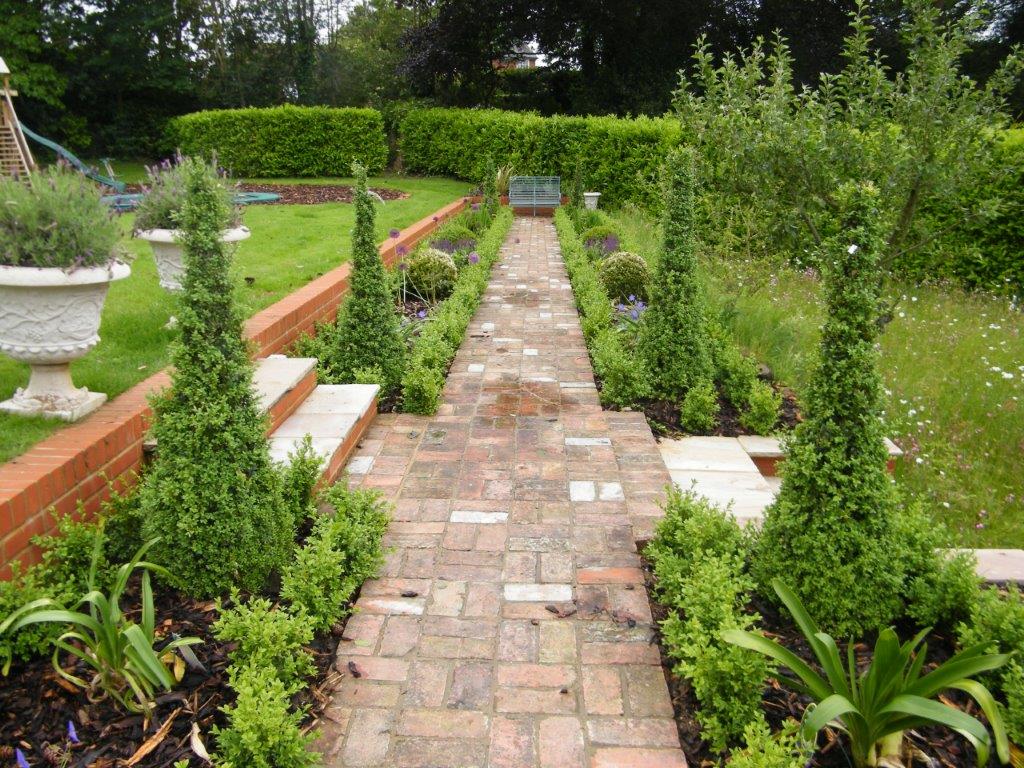
Consider structural changes: Winter is when you see the bones of your garden most clearly. Is the layout working? Do you need more paths, better borders, or a redesigned patio? Early planning means you can get major projects done in late winter or early spring, ready for the growing season.
If you're considering a more significant redesign, our garden design cost guide can help you budget and plan for professional input.
Regional Considerations for the UK
South East England (Kent, Surrey, Essex, London)
Soil types: Heavy London clay in much of the region; chalk in parts of Kent and Surrey; sandy loam in coastal Essex.
Challenges: Clay soils waterlog easily in winter. Improve drainage with organic matter and consider raised beds for vulnerable plants.
Frost risk: Moderate. First frosts usually mid-November; last frosts early April. Urban heat island effect in London provides a few degrees of protection.
What works well: Mediterranean plants, lavender, rosemary, and tender perennials often survive London winters with minimal protection.
For location-specific advice, see our garden design Kent, garden design Surrey, and garden design Essex pages.
Common Mistakes to Avoid
- Cutting back too early: Many gardeners cut back perennials in September or October. This removes habitat for beneficial insects and exposes plant crowns to frost. Wait until late February or March.
- Leaving diseased material: Diseased plant debris overwinters and reinfects your garden in spring. Always remove and bin (don't compost) diseased leaves, stems, and fruit.
- Wrapping plants in plastic: Plastic doesn't breathe and traps moisture, causing rot and fungal diseases. Always use horticultural fleece for plant protection.
- Walking on frozen grass: Frozen grass blades snap when stepped on, leaving brown footprints. Use boards as stepping stones if you must cross the lawn in frosty weather.
- Digging wet soil: Digging or walking on wet soil compacts it and damages soil structure. Wait for a drier spell when the soil is moist but not waterlogged.
Final Thoughts
Preparing your garden for winter is not glamorous work, but it's some of the most valuable you'll do all year. A few weekends of effort in October and November protect months of previous work, set your garden up for healthy spring growth, and save you from expensive repairs and replacements.
Start early, work through the checklist methodically, and don't try to do everything in one weekend. Spread the work over October and November, and you'll get it all done without feeling overwhelmed.
By the time December arrives, your garden will be tucked up, protected, and ready to rest. And when spring comes—and it always does—you'll be starting from a position of strength rather than spending March fixing problems you could have prevented in October.
If you'd like professional advice on preparing your garden for winter, improving drainage, or planning a garden renovation for next year, get in touch for a free consultation. We work across London, Kent, Surrey, Essex, and the wider South East, and we'd be happy to help. Call us on 0203 834 9807.